Finish names are useful shorthand, but they are unreliable colour specifications. “Walnut” can mean anything from a soft neutral brown to an almost black stain, and the same coating changes across timber species. A good selection process starts with a physical sample and the light in the actual room.
Read undertone before darkness
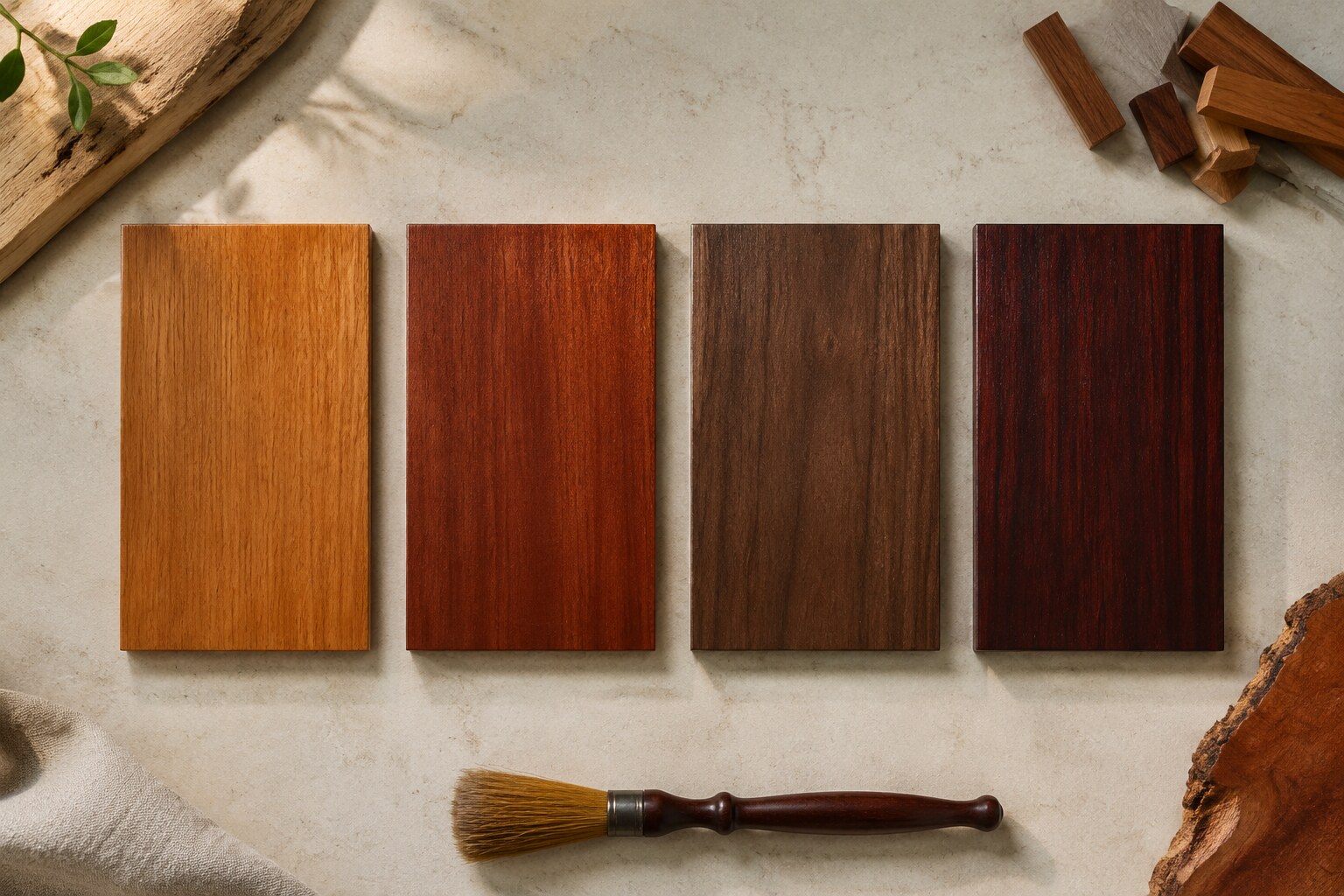
Two finishes can have the same depth but feel completely different. Teak-inspired tones often lean golden, mahogany references may carry red, walnut tends toward neutral or cool brown, and rosewood descriptions often imply deeper red-brown contrast. These are broad visual families, not promises about a species.
Let the base material show
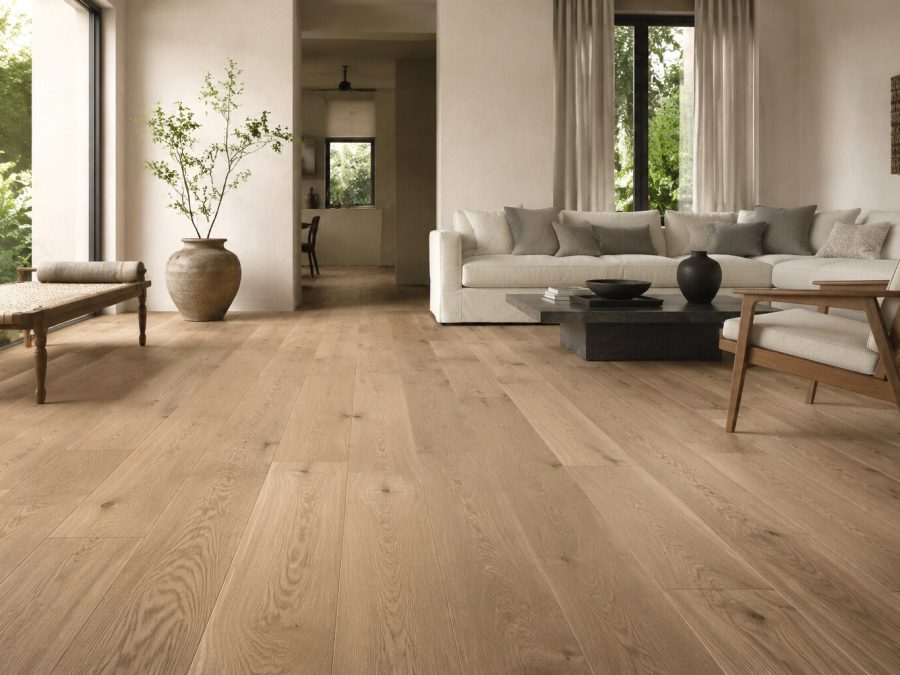
Open grain, tight grain, natural variation and veneer matching all influence the final surface. Ask whether the sample uses the same substrate, preparation and number of coats proposed for the work. A stain approved on one species should not be transferred to another without a new sample.
Test it beside the fixed finishes
Place the board next to flooring, stone, fabric and metalwork. Review it in daylight and under the specified artificial light. Warm lamps can amplify red and yellow; cool light can flatten them. Move the sample vertically and horizontally because reflection changes with orientation.
Gloss changes perceived colour
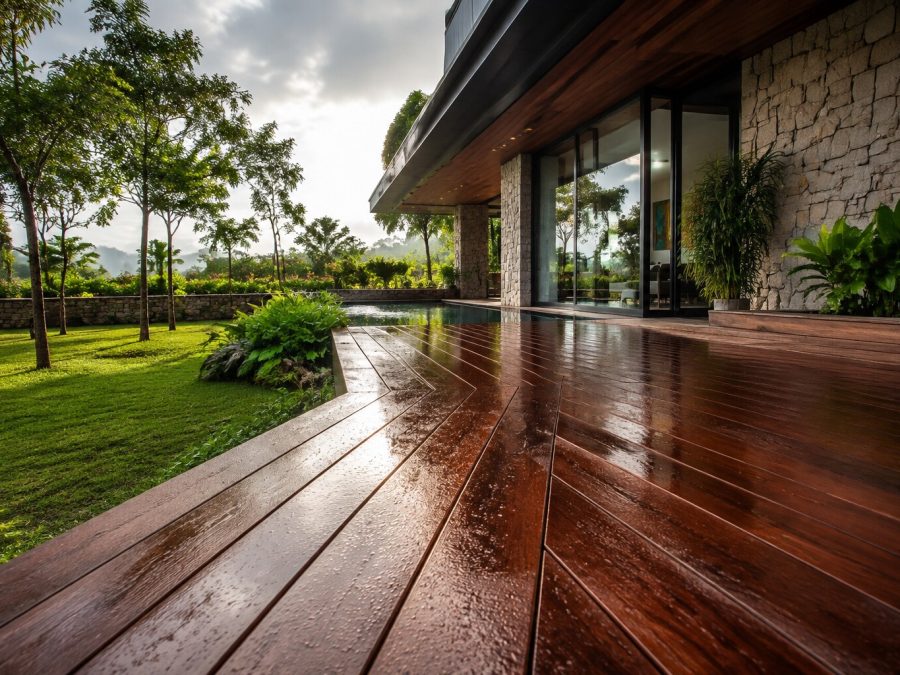
A higher sheen can appear deeper and reveal more surface variation, while a matte finish often feels softer and more contemporary. Consider touch and maintenance as well as appearance. Tabletops, handles and skirting encounter different wear and may need different finish performance even when their colour matches.
Approve a finish as a complete system—substrate, colour, sheen and application—not as a name on a schedule.
Create a useful control sample
- Use a board large enough to show grain variation.
- Label the reverse with substrate, product, mix and coat count.
- Record the approval date and retain one protected sample.
- Compare early production against it before the full batch proceeds.
If a room includes several timber surfaces, they do not all need to match perfectly. A deliberate family of related tones often feels more natural than forced uniformity. The control sample gives everyone a shared reference while leaving room for the honest variation that makes timber valuable.